
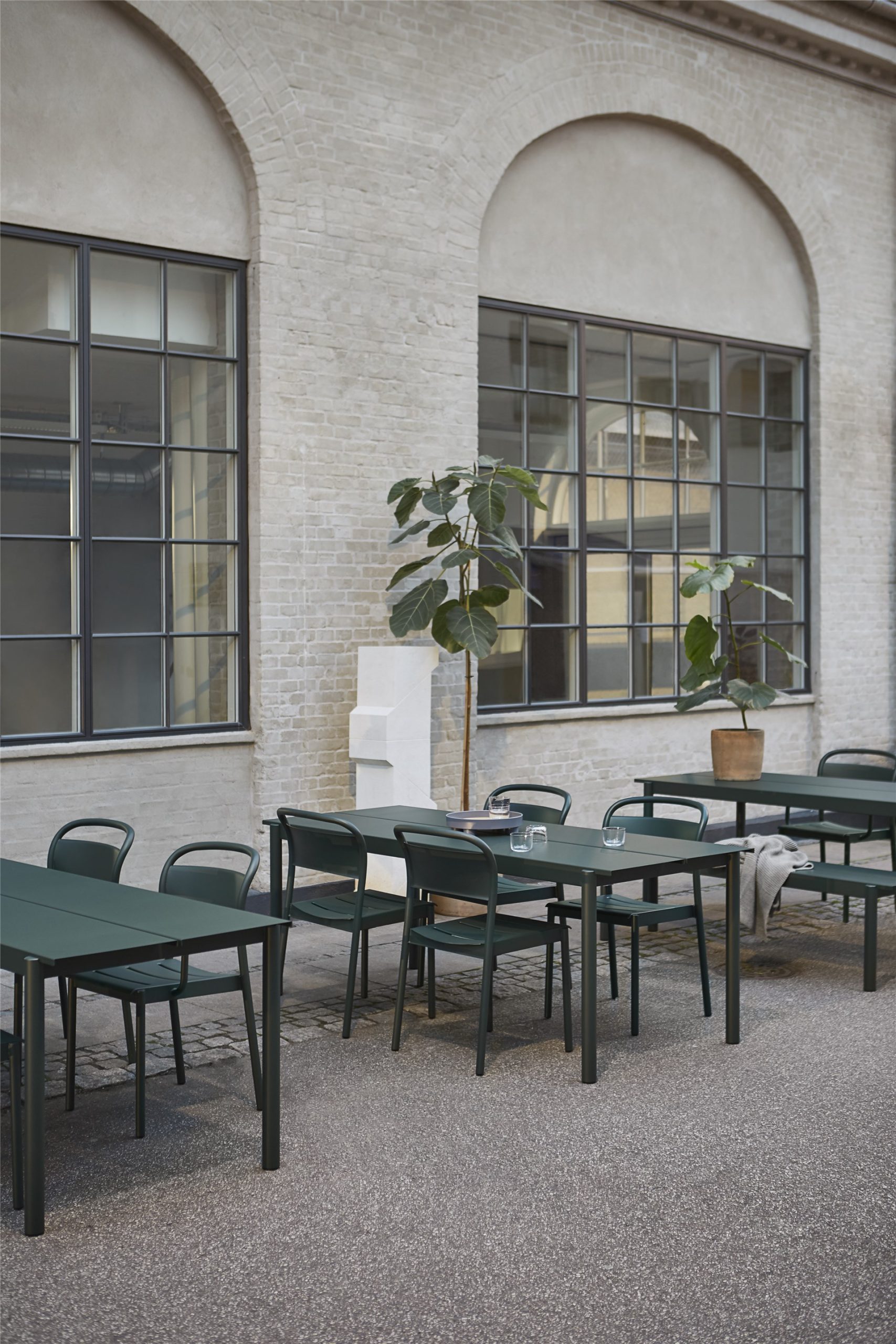
Outfitting Commercial and Residential Projects
Choosing the right furniture is key to creating functional and appealing spaces for business or residential use.
This guide helps interior designers and architects understand the distinct needs of commercial and residential furniture, ensuring each project is tailored to its unique environment.
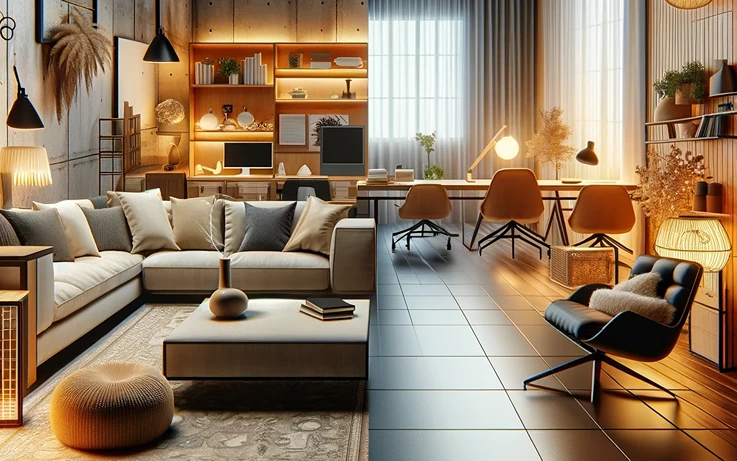
Commercial vs. Residential Furniture
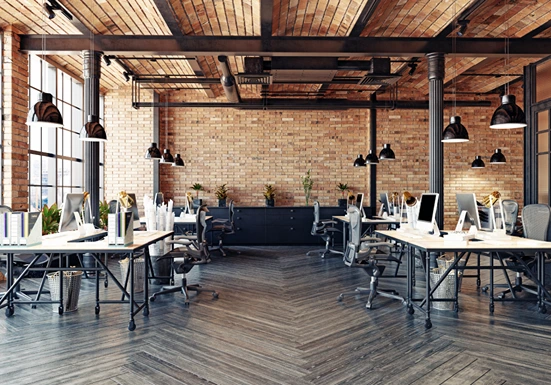
Commercial Furniture: Built for Business Commercial furniture is designed to withstand heavy usage in business environments like offices, restaurants, and hotels. It prioritises durability, functionality, and compliance with industry standards. Often found in public spaces, commercial furniture is built to endure frequent use, making it ideal for high-traffic areas.
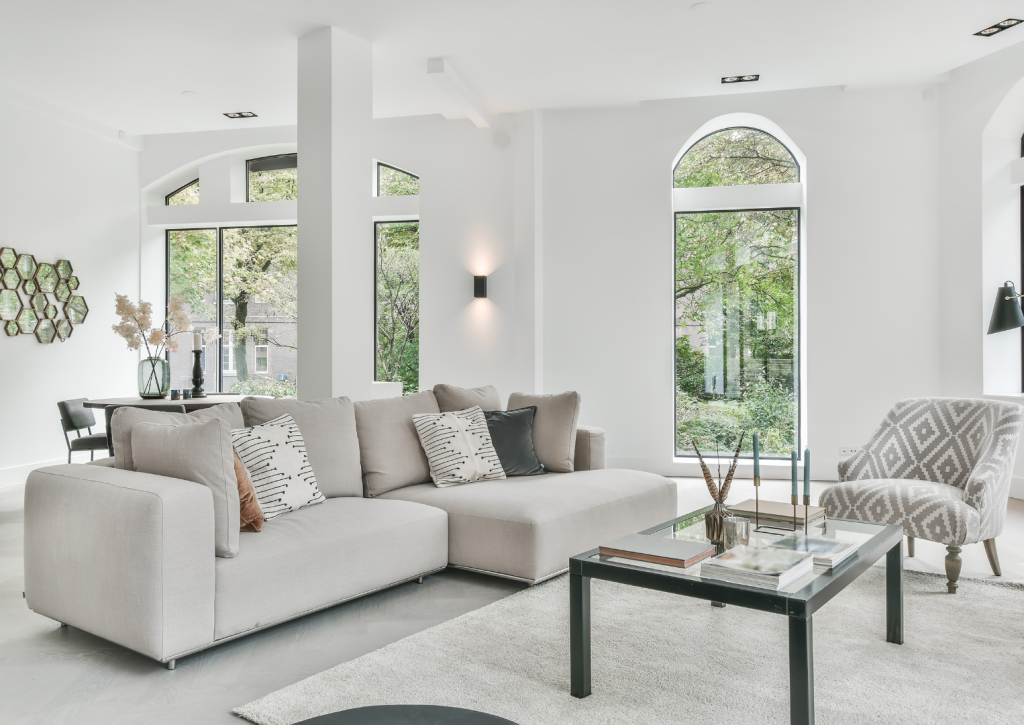
Residential Furniture: Comforts of Home Residential furniture, on the other hand, is tailored for use in private living spaces. It focuses on comfort, personal style, and a cosier, more relaxed aesthetic. Residential furniture is used in projects like aged care homes, hotel projects, etc. emphasising comfort and personalisation to create a welcoming environment.
Design Dynamics: Commercial vs. Residential Furniture Styles
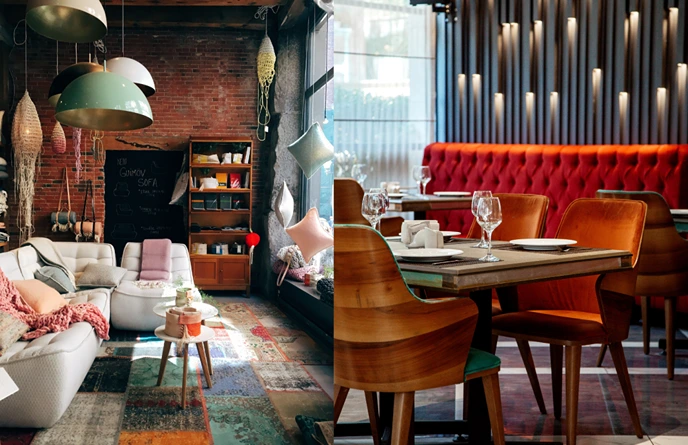
A Study in Contrasts Commercial furniture often sports a more streamlined, uniform design to suit various professional environments. Think sleek lines and neutral colours in office furniture or sturdy, easy-to-clean surfaces in restaurant settings. Residential furniture, in contrast, leans towards diverse aesthetics, focusing on personal style and comfort. Cosy sofas, ornate tables, and plush chairs are common.
Influences of Usage and Location The design choices for each type are heavily influenced by their intended use and location. Commercial pieces prioritize functionality and space optimization, while residential furniture allows for more creative freedom, reflecting personal taste and comfort.
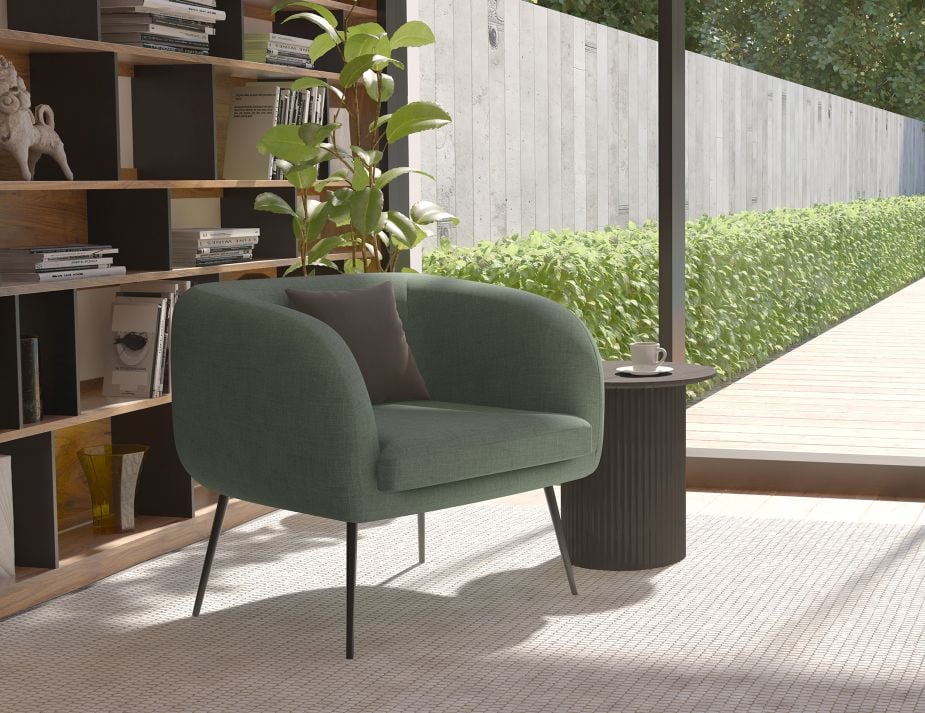
Endurance Factor: Comparing Durability in Furniture
Commercial Furniture: Built to Last In commercial settings, furniture faces constant use and needs to be exceptionally durable. Materials like reinforced steel, high-density foam, and commercial-grade fabrics are commonly used. These elements ensure longevity and withstand the rigours of daily business operations.
Residential Furniture: Durable Yet Cozy Residential furniture, while still durable, often uses solid wood, softer fabrics, and finer details. These choices reflect a balance between durability and creating a warm, inviting home atmosphere.
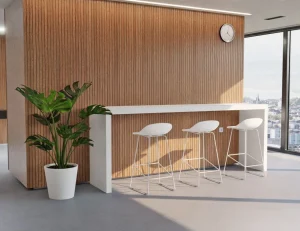
Function and Form: Functionality and Ergonomics in Furniture Design
Varied Functionalities Commercial furniture is designed with specific functions in mind – ergonomic office chairs for prolonged use, and space-saving designs in hospitality furniture, for example. Residential furniture, while functional, emphasizes adaptability to personal living spaces and comfort.
Ergonomics in the Workplace In commercial furniture design, ergonomics is paramount. The design focuses on reducing the physical strain for users – which is crucial in settings like offices where furniture impacts productivity and health. Residential furniture, while comfortable, may not always follow ergonomic principles as strictly.
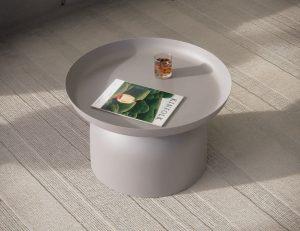
Upholding Quality: Maintenance and Longevity in Furniture
Ensuring Durability Across Settings Commercial furniture typically requires less frequent maintenance due to its robust build, designed to withstand heavy usage. In contrast, residential furniture, while durable, might need more regular upkeep to maintain its aesthetic appeal and functionality.
Care Tips for Every Furniture Type
For commercial furniture, routine checks and professional cleaning can extend its lifespan. Residential furniture benefits from regular dusting, immediate stain removal, and the use of appropriate cleaning agents for different materials.

Balancing the Budget: Cost Analysis of Furniture Types
Commercial furniture often comes with a higher price tag due to its durability and specialized design, but it’s a long-term investment. Residential furniture varies widely in cost, with options available for every budget. When budgeting for commercial furniture, consider the return on investment in terms of longevity and maintenance costs. For residential furniture, balance quality with affordability, focusing on pieces that offer both comfort and durability.
Furniture Regulations, Standards and Compliance
Commercial furniture in Australia must adhere to specific standards and certifications to ensure safety, durability, and environmental compliance. Here are key standards and their explanations:
AS/NZS 4442:2018 – Office Desks, Workstations, and Tables
This standard sets requirements for the safety, strength, and durability of office desks, workstations, and tables. It ensures that these pieces of furniture can withstand the rigours of daily use in commercial environments. Key aspects include:
- Safety: Ensuring the furniture does not have sharp edges, unstable structures, or other hazards.
- Strength: The furniture must support the intended loads without collapsing or deforming.
- Durability: Materials and construction methods must ensure long-lasting performance under regular use.
AS/NZS 3813:2016 – Plastic Monobloc Chairs
This standard specifies the requirements for plastic monobloc chairs, commonly used in both commercial and residential settings. It covers:
- Strength and Durability: Ensuring chairs can support users safely, including those weighing over 135 kg.
- Stability: Preventing tipping and ensuring the chair remains stable during use.
- UV and Weather Resistance: For outdoor use, chairs must withstand environmental factors without significant degradation.
AFRDI Blue Tick Certification
The Australasian Furnishing Research and Development Institute (AFRDI) provides the Blue Tick certification, which signifies high standards of quality and safety for furniture products. This certification involves rigorous testing for:
- Load Capacity: Ensuring the furniture can support high weights.
- Durability: Testing for long-term use under various conditions.
- Ergonomics: Ensuring the design supports user comfort and health, particularly in office settings.
FSC Certification
The Forest Stewardship Council (FSC) certification ensures that the wood used in furniture is sourced from responsibly managed forests that provide environmental, social, and economic benefits. This certification is important for:
- Sustainability: Ensuring that forest products are harvested responsibly, maintaining the biodiversity, productivity, and ecological processes of the forests.
- Traceability: Guaranteeing that the wood used in furniture can be traced back to sustainably managed forests.
- Environmental Impact: Reducing the overall environmental impact of furniture production by promoting sustainable forestry practices.
Adhering to these standards helps manufacturers and suppliers avoid product recalls and ensures that the furniture meets the high demands of commercial environments. Compliance with these regulations not only safeguards users but also enhances the reputation of manufacturers and suppliers by demonstrating a commitment to quality and safety.
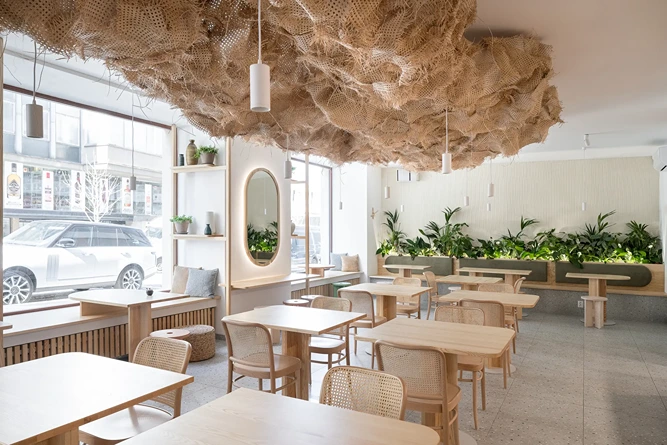
Tailoring Your Selection: Finding the Ideal Furniture for Your Space
Assessing Needs and Spaces Choosing the right furniture hinges on understanding the specific needs of your space. For commercial environments, prioritize durability and functionality to accommodate high traffic. In residential settings, focus on comfort and style that reflects personal taste and fits the living space.
Strategic Furniture Selection Consider the size of the space, the typical activities that will occur there, and the longevity you expect from your furniture. For commercial spaces, think about customer comfort and ease of maintenance, while for home, consider the lifestyle and preferences of those who will use it.
Frequently Asked Questions
Colour impacts design for commercial furniture projects by affecting the overall aesthetic, functionality, and emotional response of the space. In commercial settings, colours can influence customer behavior, enhance brand recognition, and improve employee well-being. Thoughtful colour choices can transform a commercial space into an inviting and productive environment.
Colour impacts design for commercial furniture projects by affecting the overall aesthetic, functionality, and emotional response of the space. In commercial settings, colours can influence customer behavior, enhance brand recognition, and improve employee well-being. Thoughtful colour choices can transform a commercial space into an inviting and productive environment.
Colour impacts design for commercial furniture projects by affecting the overall aesthetic, functionality, and emotional response of the space. In commercial settings, colours can influence customer behavior, enhance brand recognition, and improve employee well-being. Thoughtful colour choices can transform a commercial space into an inviting and productive environment.
A footrest supports posture and circulation, especially during long work sessions. It increases comfort, reduces fatigue, and enhances focus and productivity by providing ergonomic support to your legs and feet. Incorporating a footrest into your setup can significantly improve overall comfort and work efficiency.
Ergonomic furniture reduces physical strain, enhances comfort, and improves productivity by supporting proper posture and reducing the risk of musculoskeletal issues. In office environments, ergonomic chairs and desks are crucial for maintaining employee health and well-being, leading to increased efficiency and job satisfaction.
Plastic furniture requires minimal maintenance. Clean it with warm soapy water and let it dry naturally. Avoid harsh chemicals that can damage the material. For upholstered pieces, clean the entire surface from seam to seam to prevent water rings and stains, and avoid abrasive cleaning methods.
Colour impacts design for commercial furniture projects by affecting the overall aesthetic, functionality, and emotional response of the space. In commercial settings, colours can influence customer behavior, enhance brand recognition, and improve employee well-being. Thoughtful colour choices can transform a commercial space into an inviting and productive environment.
Commercial furniture typically requires less frequent maintenance due to its robust build. Regular checks and professional cleaning can extend its lifespan. Residential furniture may need more regular upkeep, including dusting, immediate stain removal, and appropriate cleaning agents to maintain its aesthetic appeal and functionality.
Balance cost and quality by choosing durable materials that offer comfort and aesthetic appeal within your budget. Look for pieces that provide value in terms of longevity and functionality. Consider investing in key pieces like sofas and beds, where comfort and durability are paramount, while opting for budget-friendly options for less critical items.
When choosing furniture for aged care homes, prioritize comfort, durability, and safety. Look for ergonomic designs that support mobility and ease of use. Opt for materials that are easy to clean and maintain. Consider furniture with soft edges, stable construction, and features like adjustable heights and support rails to enhance the safety and comfort of residents.
FSC certification ensures that the wood used in furniture is sourced from responsibly managed forests, promoting sustainability and reducing environmental impact. This certification is important for demonstrating a commitment to eco-friendly practices and enhancing the reputation of manufacturers and suppliers by supporting sustainable forestry.
Colour impacts design for commercial furniture projects by affecting the overall aesthetic, functionality, and emotional response of the space. In commercial settings, colours can influence customer behavior, enhance brand recognition, and improve employee well-being. Thoughtful colour choices can transform a commercial space into an inviting and productive environment.
Furniture plays a crucial role in setting the tone and atmosphere of commercial spaces. Sleek, modern furniture creates a professional and contemporary look, while comfortable, well-designed pieces enhance customer satisfaction and experience. The right furniture can make a space more inviting, functional, and conducive to business operations.
Commercial furniture often features streamlined, uniform designs suitable for professional environments, with a focus on functionality and space optimization. Residential furniture offers more diverse aesthetics, emphasizing personal style, comfort, and the ability to create a cozy, inviting home atmosphere.
Colour impacts design for commercial furniture projects by affecting the overall aesthetic, functionality, and emotional response of the space. In commercial settings, colours can influence customer behavior, enhance brand recognition, and improve employee well-being. Thoughtful colour choices can transform a commercial space into an inviting and productive environment.
Colour impacts design for commercial furniture projects by affecting the overall aesthetic, functionality, and emotional response of the space. In commercial settings, colours can influence customer behavior, enhance brand recognition, and improve employee well-being. Thoughtful colour choices can transform a commercial space into an inviting and productive environment.
Colour impacts design for commercial furniture projects by affecting the overall aesthetic, functionality, and emotional response of the space. In commercial settings, colours can influence customer behavior, enhance brand recognition, and improve employee well-being. Thoughtful colour choices can transform a commercial space into an inviting and productive environment.
Consider the long-term investment value of durable, high-quality furniture that requires less frequent replacement. Look for versatile pieces that serve multiple functions, and choose materials that are easy to maintain. Opt for furniture that balances cost with durability and aesthetic appeal, ensuring it meets both budgetary constraints and design needs.
Choose a calming or energizing color scheme, select furniture that complements these tones, and incorporate art, indoor plants, and personal mementos. These design elements can significantly impact your mood and work motivation, transforming your office into a haven of inspiration and productivity.
Commercial-grade fabrics are designed to withstand heavy use and frequent cleaning. They are durable, stain-resistant, and often treated to resist fading and wear. These fabrics maintain their appearance and integrity over time, making them ideal for high-traffic areas like restaurants, hotels, and offices where furniture endures significant use.
Metal furniture, especially aluminium and stainless steel, offers high durability and resistance to weather conditions. It provides a sleek, modern look and can withstand frequent use. Properly treated metal furniture resists rust and corrosion, making it ideal for outdoor commercial spaces.
Choose furniture made from sustainable materials, such as FSC-certified wood or recycled plastics. Consider the durability and lifespan of the furniture to reduce the need for frequent replacements. Compliance with environmental standards and certifications, like FSC and AFRDI Blue Tick, ensures responsible sourcing and manufacturing practices, contributing to a reduced environmental footprint.
Regularly clean timber furniture with a soft cloth and mild soapy water. Apply a sealant or stain every 6-12 months to protect against moisture and UV damage. Sand and refinish as needed to maintain appearance and integrity. Cover furniture when not in use to protect from rain and direct sunlight, and store indoors during extreme weather conditions to prevent damage.
Colour impacts design for commercial furniture projects by affecting the overall aesthetic, functionality, and emotional response of the space. In commercial settings, colours can influence customer behavior, enhance brand recognition, and improve employee well-being. Thoughtful colour choices can transform a commercial space into an inviting and productive environment.
Colour impacts design for commercial furniture projects by affecting the overall aesthetic, functionality, and emotional response of the space. In commercial settings, colours can influence customer behavior, enhance brand recognition, and improve employee well-being. Thoughtful colour choices can transform a commercial space into an inviting and productive environment.
Key factors include durability, functionality, compliance with industry standards, space optimization, customer comfort, and ease of maintenance. It’s important to choose materials and designs that can withstand heavy use and frequent cleaning.
Colour impacts design for commercial furniture projects by affecting the overall aesthetic, functionality, and emotional response of the space. In commercial settings, colours can influence customer behavior, enhance brand recognition, and improve employee well-being. Thoughtful colour choices can transform a commercial space into an inviting and productive environment.
Colour impacts design for commercial furniture projects by affecting the overall aesthetic, functionality, and emotional response of the space. In commercial settings, colours can influence customer behavior, enhance brand recognition, and improve employee well-being. Thoughtful colour choices can transform a commercial space into an inviting and productive environment.
Ergonomic office furniture supports proper posture, reduces physical strain, and enhances comfort during long working hours. This leads to increased productivity, reduced absenteeism, and improved employee health and well-being. Ergonomic designs are essential for maintaining a functional and comfortable workplace.
Commercial furniture is designed for heavy usage in business environments, prioritizing durability, functionality, and compliance with industry standards. Residential furniture focuses on comfort, personal style, and a relaxed aesthetic, catering to private living spaces.
AS/NZS 4442:2018 sets requirements for the safety, strength, and durability of office desks, workstations, and tables. It ensures that these pieces can withstand daily use in commercial environments, providing safety, stability, and longevity, which are crucial for maintaining a professional and functional workspace.
Common materials include reinforced steel, high-density foam, commercial-grade fabrics, aluminium, and UV-resistant plastics. These materials ensure durability, weather resistance, and low maintenance for high-traffic commercial environments.
Colour impacts design for commercial furniture projects by affecting the overall aesthetic, functionality, and emotional response of the space. In commercial settings, colours can influence customer behavior, enhance brand recognition, and improve employee well-being. Thoughtful colour choices can transform a commercial space into an inviting and productive environment.
Custom table bases allow for tailored solutions that fit specific design needs and preferences. They provide unique aesthetic appeal and functionality, supporting the overall theme of the commercial space. Customization ensures that tables are stable, durable, and perfectly suited to the environment, enhancing both the visual and practical aspects of the furniture setup.
Colour impacts design for commercial furniture projects by affecting the overall aesthetic, functionality, and emotional response of the space. In commercial settings, colours can influence customer behavior, enhance brand recognition, and improve employee well-being. Thoughtful colour choices can transform a commercial space into an inviting and productive environment.
The AFRDI Blue Tick certification signifies high standards of quality, safety, and durability for furniture products. It involves rigorous testing for load capacity, durability, and ergonomics, ensuring that the furniture meets the high demands of commercial environments and supports user comfort and health.
Commercial furniture needs to withstand constant use and potential abuse in high-traffic areas, making durability crucial. Materials like reinforced steel, high-density foam, and commercial-grade fabrics ensure longevity and performance under daily business operations.
Space optimization ensures that commercial environments are functional, efficient, and comfortable for both employees and customers. Properly designed furniture can maximize available space, facilitate smooth traffic flow, and create a pleasant atmosphere. It is essential for enhancing productivity and providing a positive user experience in busy commercial settings.